Sun, sea, your own house in Greece: the dream is close – but the path there is full of pitfalls. This guide takes you step by step from the first search to the notary appointment. Clear, honest and with checklists that protect you from costly mistakes.
Buying a house in Greece means a foreign language, foreign authorities and a different legal system. This is exactly where buyers lose time, nerves and often a lot of money.
Tax number (AFM), land registry (Ktimatologio), notary, translations: without a clear thread you quickly lose track – and, in doubt, sign things you don't understand.
Unclear ownership, unpermitted construction, outstanding taxes on the property, missing permits: traps an outsider can barely spot – until it gets expensive.
Forums, half-knowledge and contradictory tips cost weeks. What's missing is a clear order: what first, with whom, what to watch for – step by step.
Not a legal textbook, not a glossy dream – but a practical companion that calmly guides you through every phase.
The complete process in the right order – from the search through the checks to handing over the keys.
For viewings, due diligence, the notary appointment and the time after – so nothing important slips through.
Spot typical mistakes early, avoid costly detours and confidently ask the right questions.
What other guides tend to leave out is in here – including the uncomfortable truths.
The honest guide to buying property in Greece
From the first search to the keys in your hand: this book takes you by the hand and breaks the whole buying process into clear steps. You'll learn which documents you need, who has a say, where the typical traps lie – and how to reach your goal calmly and well prepared.
Buy on Amazon → The checklistsAn overview of the topics that accompany you step by step towards your own house.
Expectations, budget and the honest cost of a house in Greece.
Where to search, what to watch for – island, mainland, old or new build.
AFM, land registry, building file, energy certificate: what each document means.
Spotting ownership, permits, encumbrances and unpermitted-construction risks.
How the purchase works, the extra costs and what happens at the notary.
Registrations, running costs, managing from afar and settling in.
What really matters when buying property abroad – explained concisely.
The dream of your own house by the sea draws many buyers from across Europe to Greece every year. But buying property abroad in the EU follows different rules than buying at home. Those who know them buy more calmly, more safely – and often more cheaply.
The good news first: as a citizen of the European Union you are largely on equal legal footing with Greek buyers when purchasing property – thanks to the EU freedom of capital movement. A special permit is only required in a few border regions and parts of certain islands (such as Rhodes, Crete or Kos). Indispensable, on the other hand, is the Greek tax number AFM: without it you cannot acquire property in Greece. A Greek bank account makes paying the purchase price, taxes and running costs easier.
The path to your own house runs in clear stages: apply for an AFM, engage your own lawyer, have the property checked legally and technically (ownership, building permits, encumbrances and boundaries), a preliminary contract with a deposit, the notarised purchase contract and finally registration in the land registry / cadastre (Ktimatologio). Important to know: in Greece the notary is neutral and represents neither side – your interests are protected only by your own lawyer.
On top of the purchase price there are additional costs. As a rough guide (as of 2026):
All in all, buyers should budget around 7–10% of the purchase price for additional costs. For new builds with a building permit from 2006 onwards, a VAT of 24% may apply instead of transfer tax – though this is currently suspended until the end of 2026. On top comes the annual property tax ENFIA.
All figures as of 2026, rounded and without guarantee – tax rates and regulations change. For your specific case, review and advice from a lawyer, notary and tax advisor in Greece are essential.
The most expensive mistakes almost always come from the same sources: unclear ownership, unpermitted extensions (illegal construction), outstanding taxes or inheritance claims on the property – and the language barrier that turns the purchase contract into a blind flight. This is exactly where "A House in the Aegean" comes in: the guide orders the whole process, explains every document in plain language and provides checklists that let you spot risks before they get expensive.
→ How the book helps youPractical templates that complement the book – digital, ready to use, available on Etsy.
In English
Every check for buying a house in Greece in one editable Excel file – to tick off, calculate and filter. Ready to use right away.
The complete review system against costly mistakes as an interactive PDF checklist – to assess any property systematically before you sign.
Also available · in German
Five interactive PDF modules – fundamentals, legal structure, cost structure, renovation & condition, and the final decision – plus a complete due-diligence bundle. Currently available in German.
Mathias writes guides that make complicated paths simple – honest, well ordered and out of genuine interest in the people facing a big decision. "A House in the Aegean" combines the fascination of Greece with a sober look at what buying property there really involves.
His aim: after reading, you shouldn't just dream – you should be able to act, prepared and without nasty surprises.
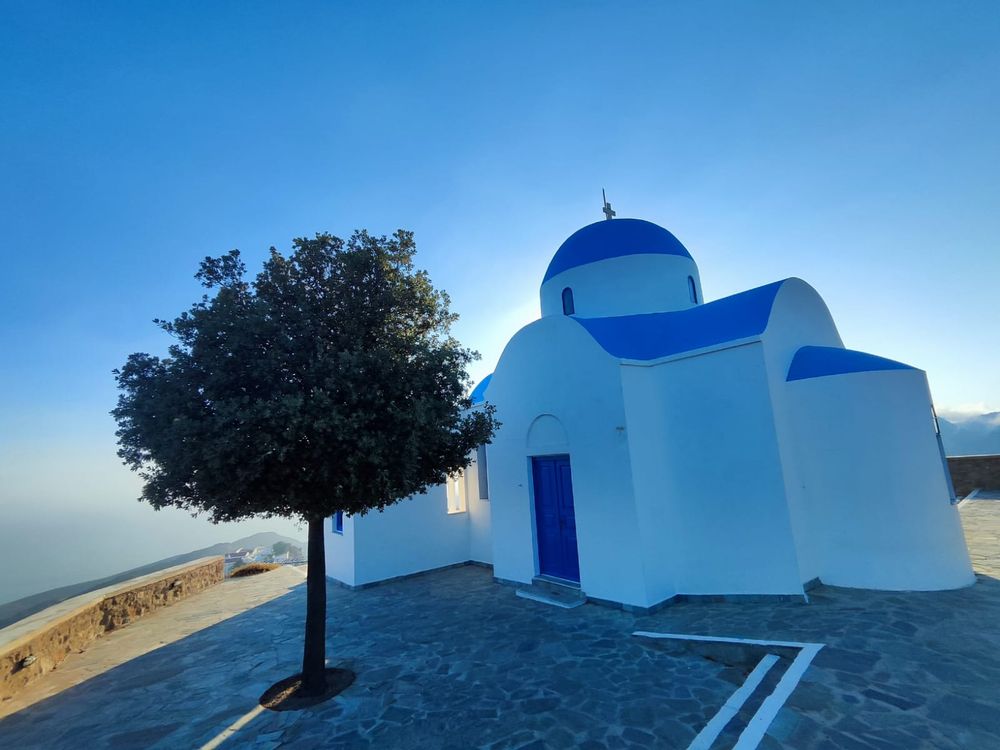
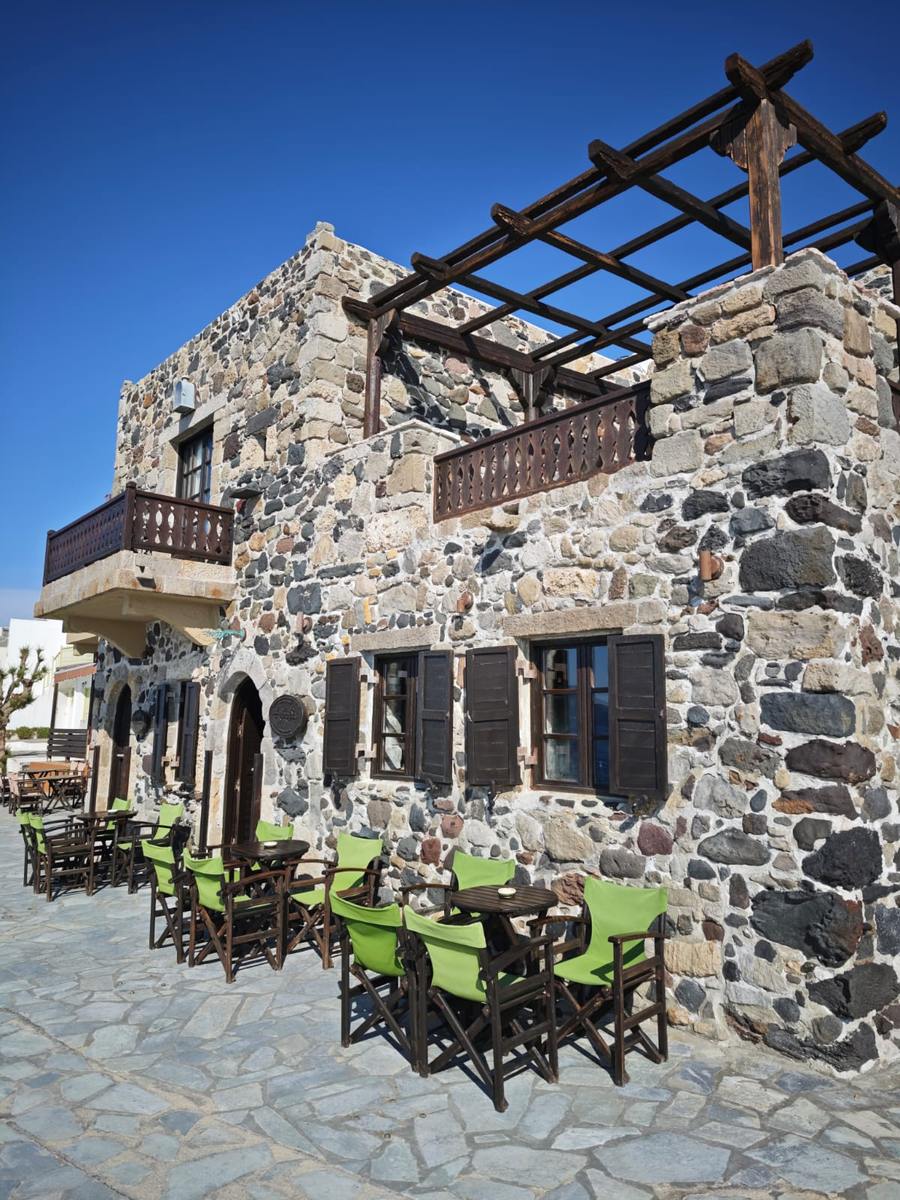
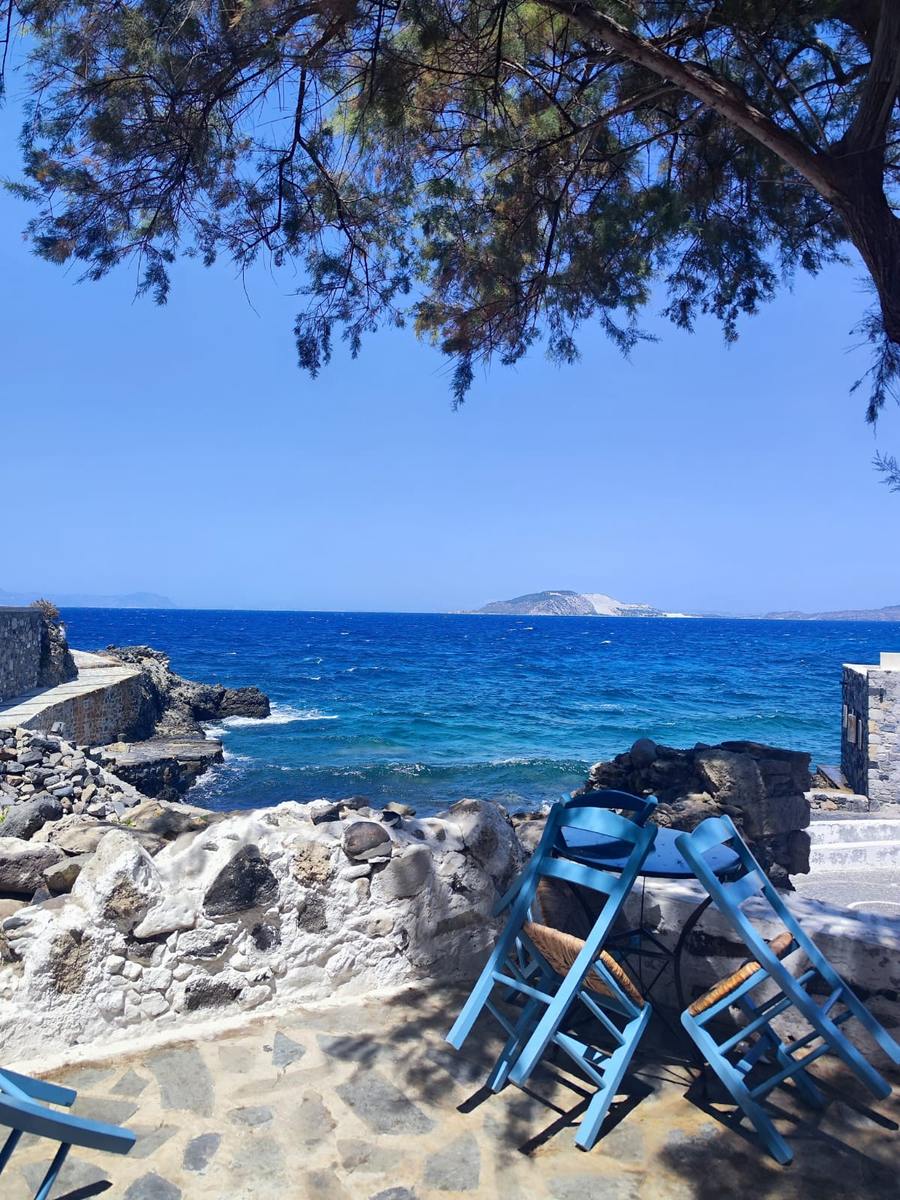
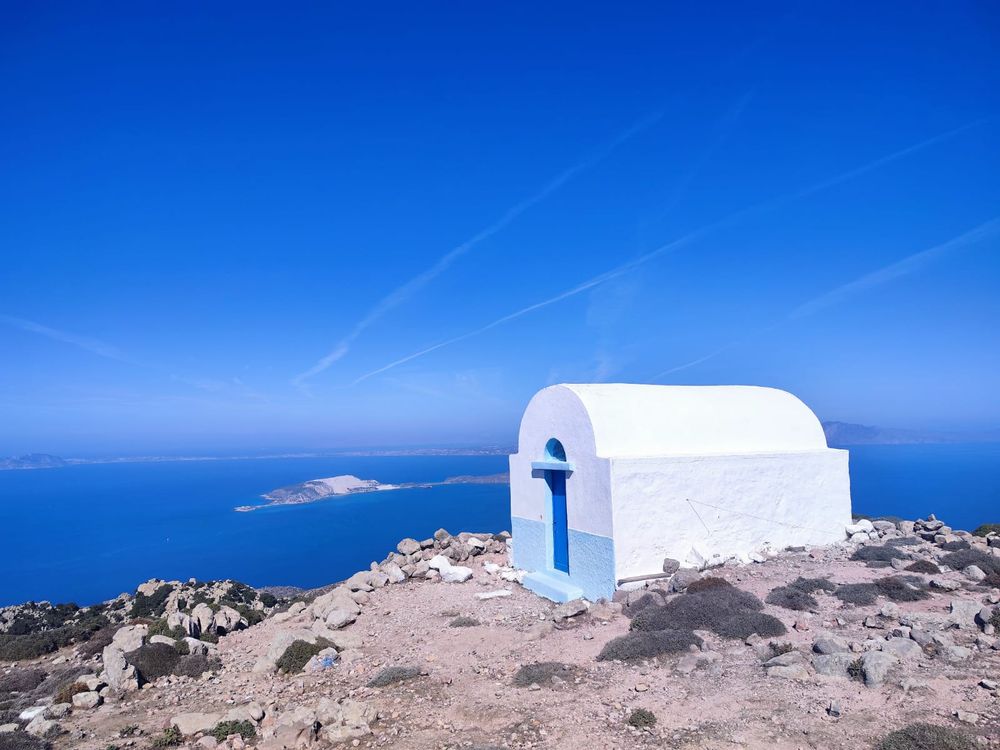
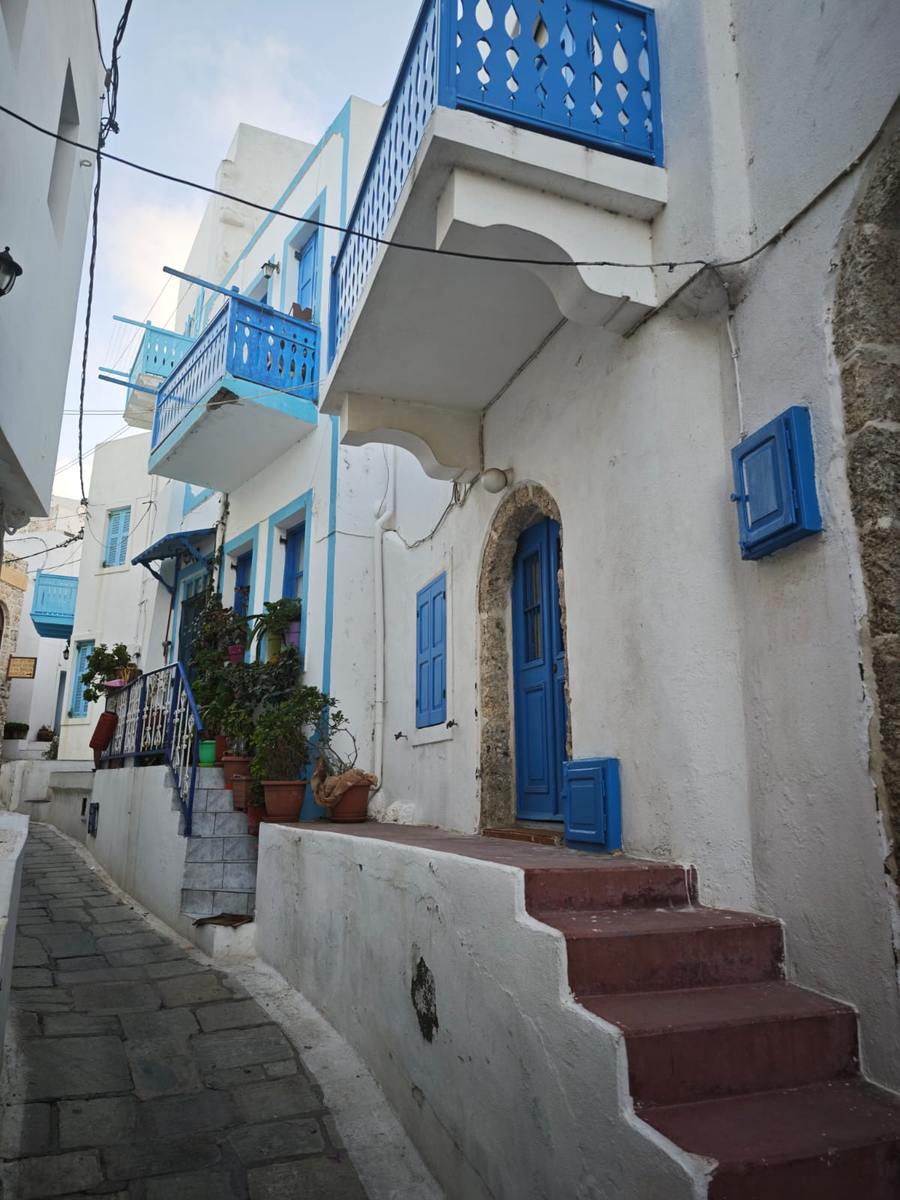
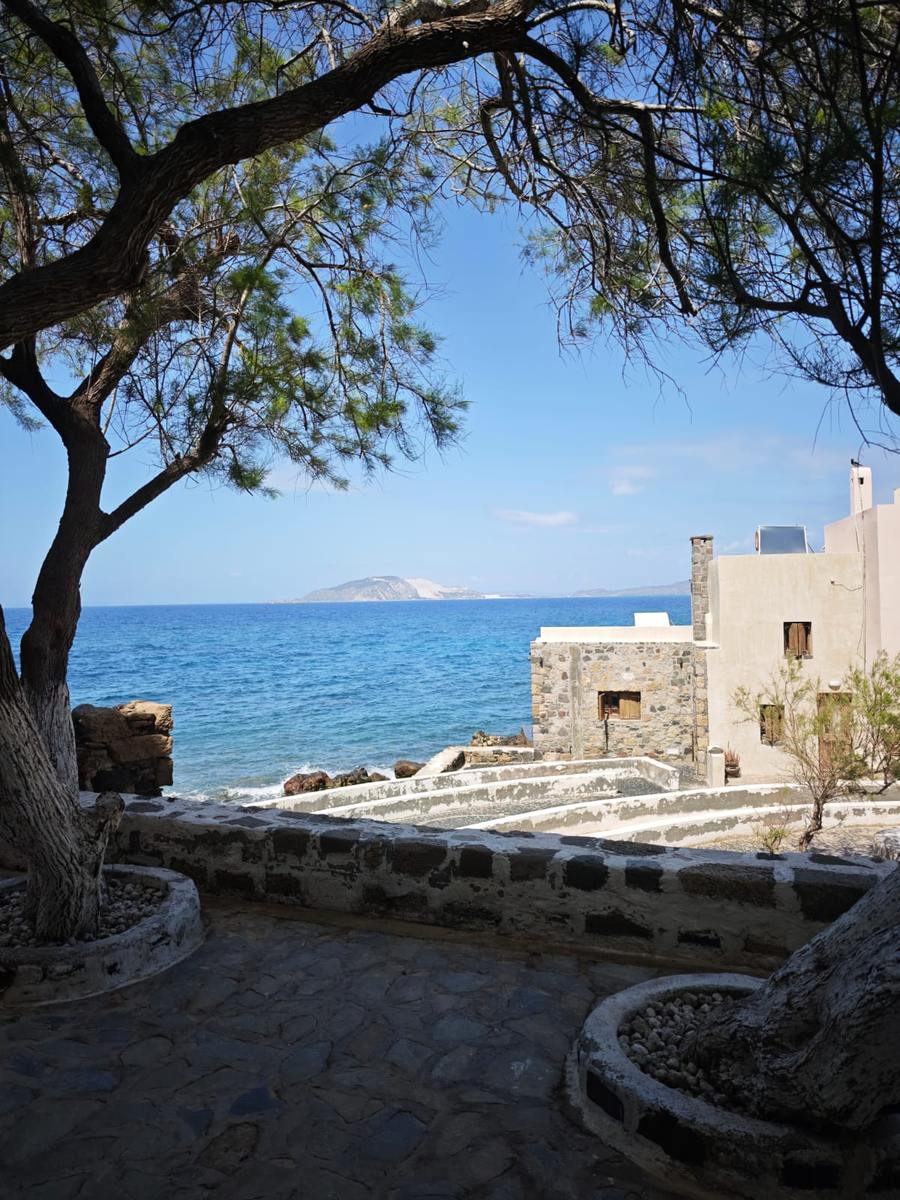
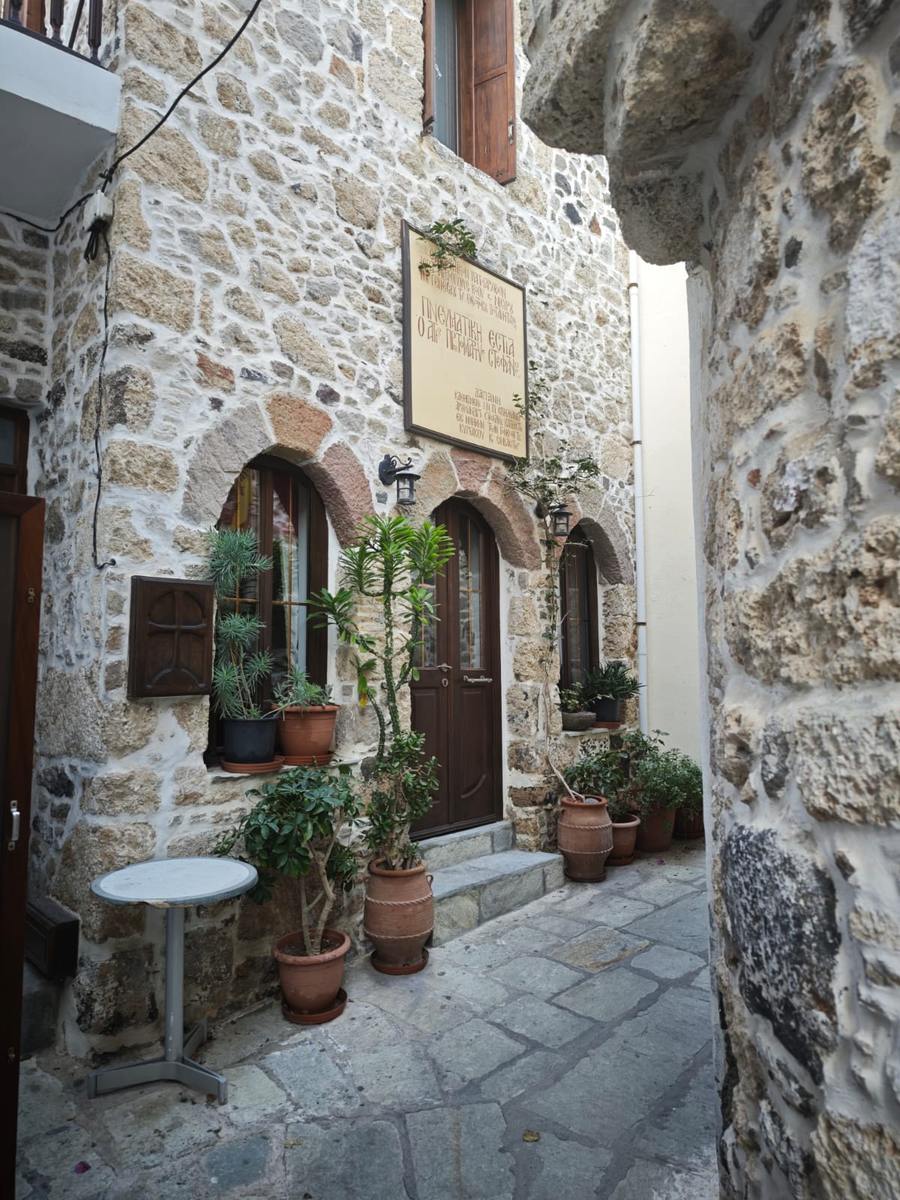
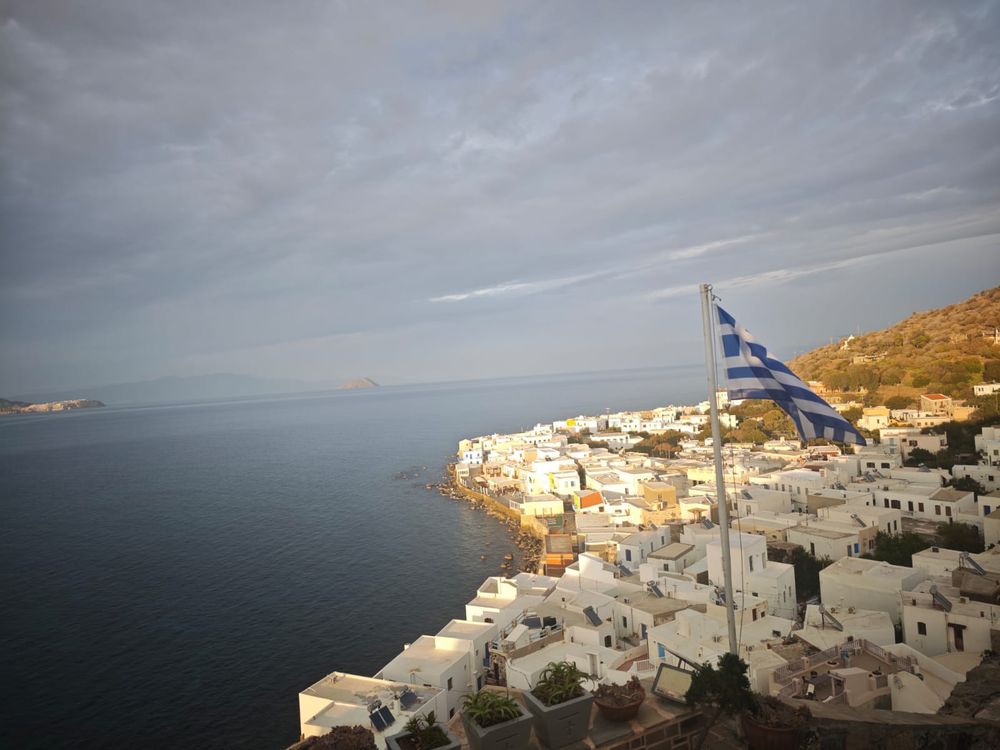
Impressions from the Aegean – the goal behind every checklist.


Instead of digging through forums: an ordered path that leads you calmly and well prepared to your own house in the Aegean.